
Speaking
The End of Negotiating with Alcohol
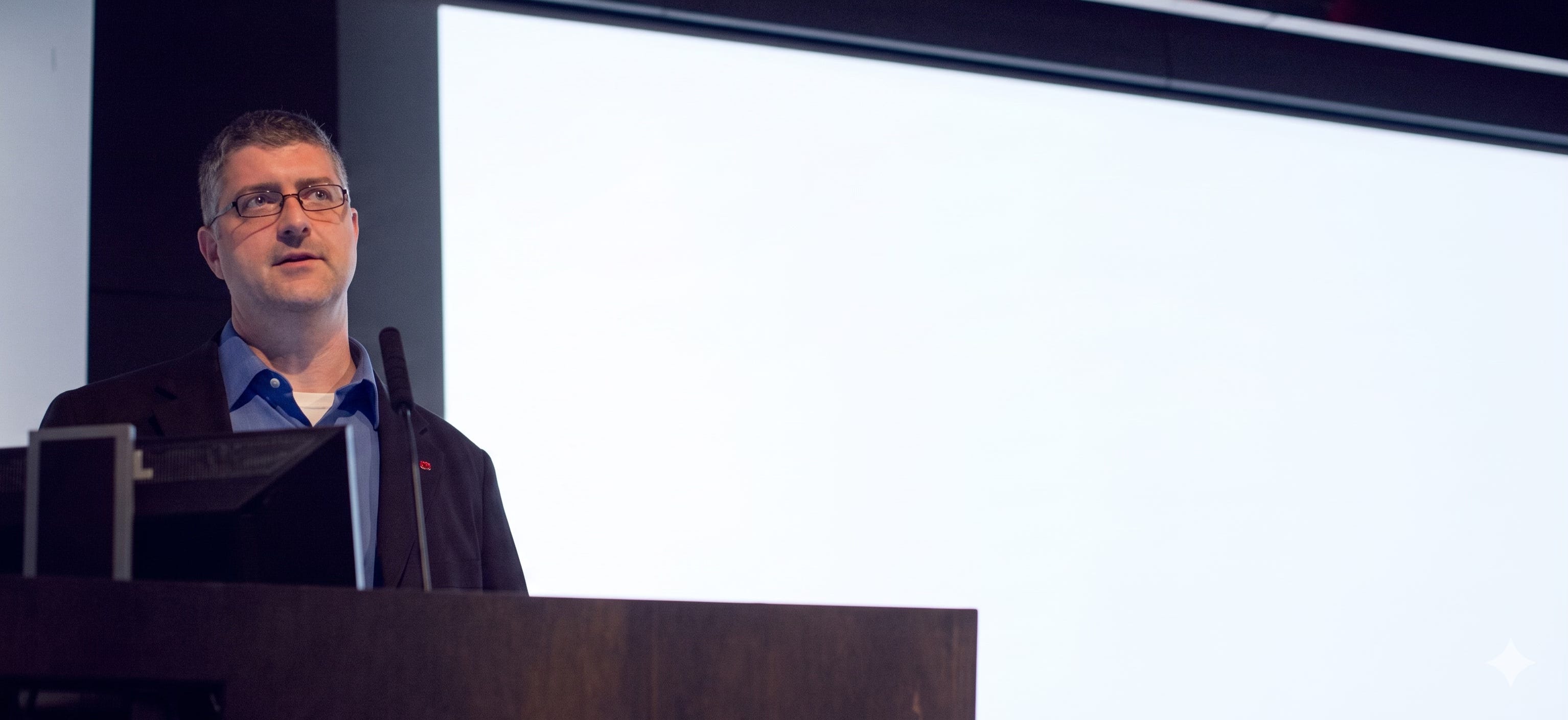
Most people who begin to reconsider their relationship with alcohol don’t do it because everything has fallen apart. From the outside, life is usually intact. Work is progressing, responsibilities are being met, and there’s no clear reason to stop. If anything, things appear to be working.
And yet, something doesn’t feel quite right.
That feeling is rarely dramatic. It tends to show up in smaller, less obvious ways. Staying out longer than intended. Waking up the next morning with a low-level sense of regret that doesn’t fully match what happened the night before. A sense that something has been built into your life without much intention, and continues more out of habit than a clear decision. Over time, that friction becomes harder to ignore, not because it forces a change, but because it never fully resolves.
My work focuses on a different way of looking at sobriety. Not as restriction, and not as something that needs to be managed indefinitely. It’s not about rules, moderation, or trying to get it right over and over again. It’s about reaching a point where the negotiation itself comes to an end, where alcohol no longer feels like something you need to control, justify, or work around. Not because you’re forcing yourself to stop, but because continuing no longer makes sense in the way it once did.
One of the less discussed parts of that shift is what happens to your work. Not in a dramatic or immediate way, and not in a way that feels like a performance strategy, but in ways that become clear over time. People often notice that their days feel more consistent, with fewer resets after evenings or weekends, and less time spent recovering, recalibrating, or trying to get back to baseline. Attention holds more easily. Meetings are easier to stay present in, conversations are clearer, and problems can be followed through without the same level of mental drift.
In practical terms, that often looks like:
more consistent energy across the week
fewer interruptions to focus and follow-through
clearer thinking in meetings and conversations
less background noise competing for attention
a steadier sense of continuity from one day to the next
These aren’t changes people usually set out to make. They’re the result of something else being removed. When alcohol is no longer part of the structure of your life, a certain amount of mental and emotional friction disappears with it. What’s left is not perfection, but clarity, and that clarity tends to carry into the way you work.
These conversations tend to resonate in environments where performance, focus, and decision-making matter over long periods of time. On college campuses, particularly with students who are navigating independence, pressure, and social expectations for the first time. And within companies, leadership teams, and offsite retreats, where people are already thinking about how they operate, how they show up, and how to sustain performance over time.
It’s not about telling people what to do. It’s about offering a perspective that many people already recognize in themselves, but haven’t fully articulated.
Talk Topics
The End of Negotiating with Alcohol
A different way of understanding sobriety, not as control, but as resolution.High-Functioning, Still Uneasy
Why success and stability don’t always eliminate the underlying friction.What Changes When Alcohol Is No Longer Part of Your Work Life
How clarity, continuity, and attention begin to shift when alcohol is removed.
About
Brian Miller is a Simon & Schuster author and founder of the award-winning non-alcoholic spirits brand Seir Hill, acquired by Better Rhodes in 2024. He is the author of None For Me. His work explores sobriety from the perspective of a former high-functioning alcoholic, and what becomes possible when alcohol is no longer part of the equation.
Inquiries
If you’re interested in bringing this conversation to your campus, team, or organization, you can reach out directly.