

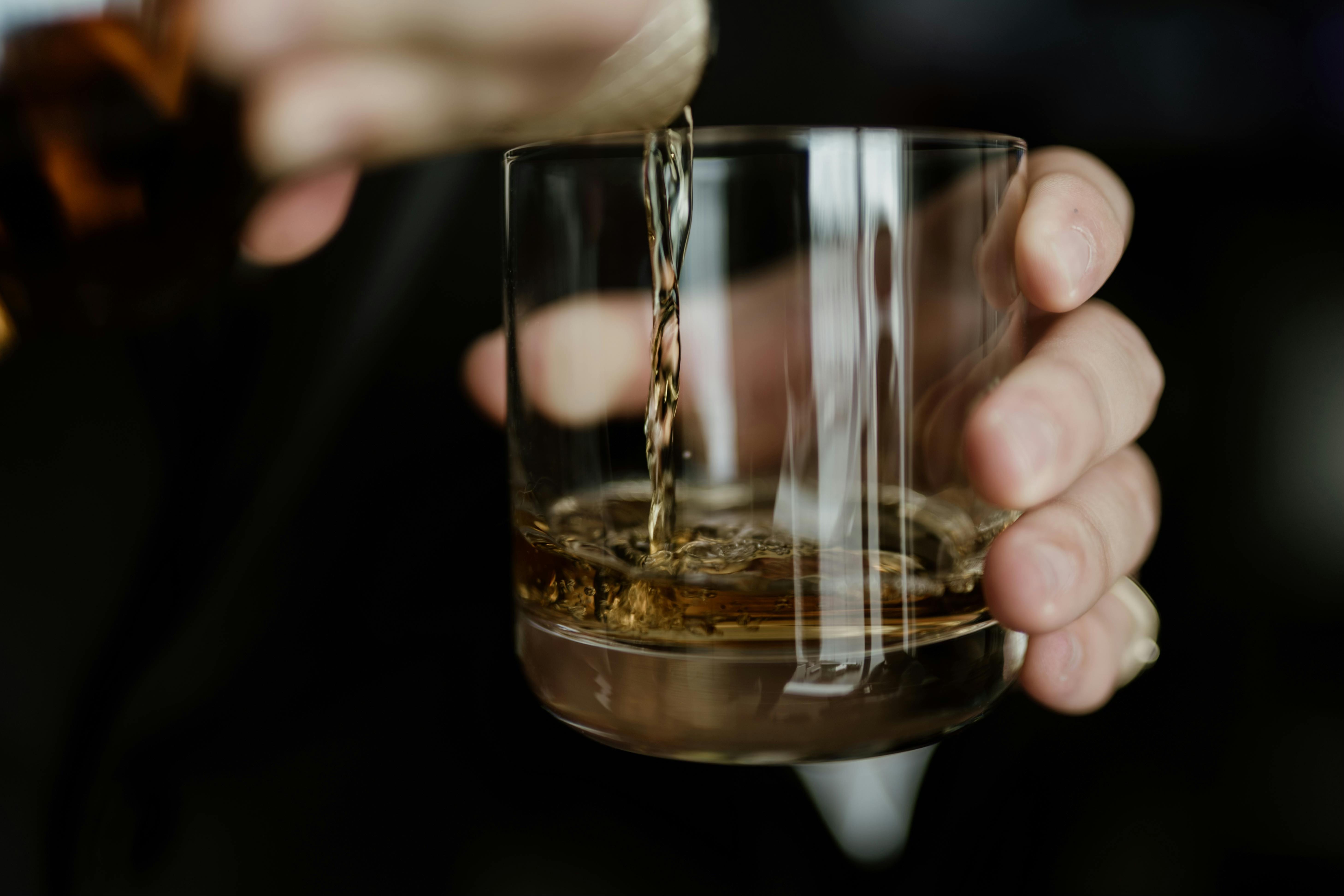
When we launched Seir Hill, my non-alcoholic spirits company, I remember anxiously waiting for our first customer review. We had spent years developing those products, countless rounds of testing, long discussions about flavor profiles, and more than a few moments where we questioned whether we were completely crazy for trying to make a whiskey without alcohol. Like most founders, I was convinced that once people tried it, they would understand what we were trying to do.
We started shipping on a Tuesday. By Friday of the following week, our first review appeared online. It was one star. I’ll never forget what it said:
“This stuff tastes like turpentine filtered through cat litter.”
At first, I was devastated. No founder wants to see a review like that attached to something they’ve spent years creating. But after the initial disappointment wore off, something unexpected happened — I started laughing. Not because the review was funny, although in hindsight it kind of was. I laughed because it reminded me of my first experience with whiskey. When I was seventeen, sneaking drinks from my parents’ liquor cabinet, I wasn’t exactly savoring notes of caramel, vanilla, or oak. The Maker’s Mark I discovered tasted harsh, bitter, and burning. Turpentine filtered through cat litter would have been a generous description.
Nobody Likes It at First
That memory led me somewhere I hadn’t thought to go before. If whiskey tastes awful to most people the first time they try it, how does it become something people love? The same could be said for vodka, gin, or almost any other spirit. I don’t think many people take their first sip and think, “This is delicious. I’d like more of that.” So what keeps us coming back?
The obvious answer is that alcohol changes the way you feel — not exactly a groundbreaking insight, I know. It reduces anxiety, lowers inhibitions, and temporarily softens whatever discomfort you’re carrying around. But as I’ve thought about my own drinking, I’ve come to believe that what I was really chasing wasn’t the substance itself. It was something deeper and more neurological than that. It was the dopamine reward.
The Hit Before the Drink
One of the strangest things I noticed about my own drinking was that I could feel the reward before I ever took a sip. If I knew there were beers waiting at home after work, I could feel my mood lift hours before I opened one. Nothing had changed. The alcohol was still sitting in the refrigerator. But the anticipation alone was enough to produce a quiet, soothing rush of excitement. That hit of dopamine, the brain’s way of saying something good is coming, arrived well ahead of the drink itself.
If I knew there were beers waiting at home after work, I could feel my mood lift hours before I opened one.
Looking back, I think that’s when my relationship with alcohol started to shift in ways I didn’t recognize at the time. It stopped being something I consumed and started becoming something I looked forward to. The anticipation became almost as rewarding as the drinking itself.
In my twenties, that feeling wasn’t unique to alcohol. I could get the same dopamine rush from all kinds of things: a date, live music, a road trip with friends, starting a new business, hearing a great song. Life was genuinely full of experiences that could trigger that sense of excitement and possibility. But as I moved through my thirties and into my forties, I noticed something uncomfortable happening. That list kept getting shorter.
When Everything Else Stops Competing
The problem wasn’t that alcohol became more exciting. The problem was that everything else became less exciting by comparison. Slowly, almost imperceptibly, alcohol moved toward the center of my life and filled the space that other things used to occupy. It became my most reliable source of anticipation when other things felt uncertain or flat. A stressful day at work? There was a drink waiting at the end of it. A boring evening? Alcohol could fix that. Feeling disappointed, restless, or just vaguely off? Alcohol offered the same solution every single time, and it never cancelled on you.
Slowly, alcohol moved toward the center of my life and filled the space that other things used to occupy.
By my late forties, I found myself confronting something I had been quietly avoiding for years. The thought of drinking had become one of the only things that reliably improved my mood. Not drinking itself — the thought of drinking. The moment I could see it on the horizon, the day got a little easier. And when I finally admitted that to myself honestly, I knew I had a problem — not with a substance, but with a relationship.
I wasn’t a beer enthusiast or a wine sommelier or a whiskey connoisseur. Those were stories I told myself because they sounded better than the truth. The truth was that I wasn’t chasing flavor. I was chasing the payload. The alcohol was simply the delivery system for a dopamine hit that my brain had come to depend on more than anything else in my life.
What Came Back When I Stopped
Here’s what surprised me most about removing alcohol gradually from my life: things started giving me that feeling again. Not immediately, but little by little, over time, the dopamine began finding other doors to walk through.
Spending an afternoon with my family started to feel like something I was genuinely looking forward to. Watching a baseball game, something I had done my whole life, often with a beer in hand, started to feel exciting again on its own terms. Even going to the gym, which for years had felt like an obligation, started producing that same small but real sense of reward. Ordinary life, the kind I had been unconsciously tuning out, started to come back into focus.
I don’t think that’s a coincidence. When you remove the thing that has been monopolizing your brain’s reward system, the rest of your life slowly stops competing with it. The quiet pleasures stop losing. And what you’re left with, eventually, is a life that can actually surprise you again — not because it became more dramatic, but because you became more available to it.
If None for Me resonates with you, hit the ♡ and subscribe. It helps others find this space and keeps the conversation going. Thank you!