


One of the core ideas in my book, The View from a Windowless Basement, is that recovery isn’t a single road. It’s a menu. Different options, different entry points, different forms of structure and support, depending on who you are and what actually works for you.
Not every path looks like meetings and worksheets. Not every solution lives in a room with folding chairs. Sometimes recovery shows up through work, discipline, and the slow rebuilding of confidence. Sometimes it shows up through learning how to make something with your hands.
That’s why programs like Making Whole belong on the Recovery Menu.
A Program Built Around Craft
Making Whole is a recovery program based in Asheville, North Carolina, built around an apprenticeship model in fine woodworking and carpentry. Men in recovery spend their days in a working shop, learning from master craftsmen, building real furniture, and developing skills that demand focus, patience, and responsibility.
This isn’t woodworking as a hobby or distraction. It’s woodworking as structure.
The premise is simple but unusually honest: recovery requires more than abstinence. It requires direction. Showing up matters. Learning something difficult matters. Being accountable to the work in front of you matters.
In the shop, mistakes are visible. Measurements are either right or wrong. You can’t talk your way out of a bad cut. You have to slow down, correct it, and try again. That feedback loop is immediate and real. Over time, it builds something many people in recovery struggle to rebuild: trust in themselves.
Recovery That Isn’t Abstract
Addiction thrives in abstraction. Tomorrow. Later. I’ll fix it eventually.
Craft doesn’t allow that.
A joint either fits or it doesn’t. A table either stands or it wobbles. Progress is tangible. Effort is visible. And learning happens whether you feel confident or not.
Making Whole doesn’t claim woodworking “fixes” addiction. What it offers instead is something more grounded: a way to relearn how to learn. How to stay present with frustration. How to tolerate imperfection. How to finish something that took time.
For men who struggle with traditional recovery environments, this kind of embodied work can provide an entry point that feels less performative and more honest.
When Two Parts of My Life Unexpectedly Met
I’ve been watching This Old House for as long as I can remember. In the 1980s, I watched it with my dad. It was one of those quiet rituals that didn’t feel significant at the time, but stayed with me.
Decades later, I still make it a point to watch every Saturday at 5 p.m. on my local PBS station. Some habits stick for a reason.
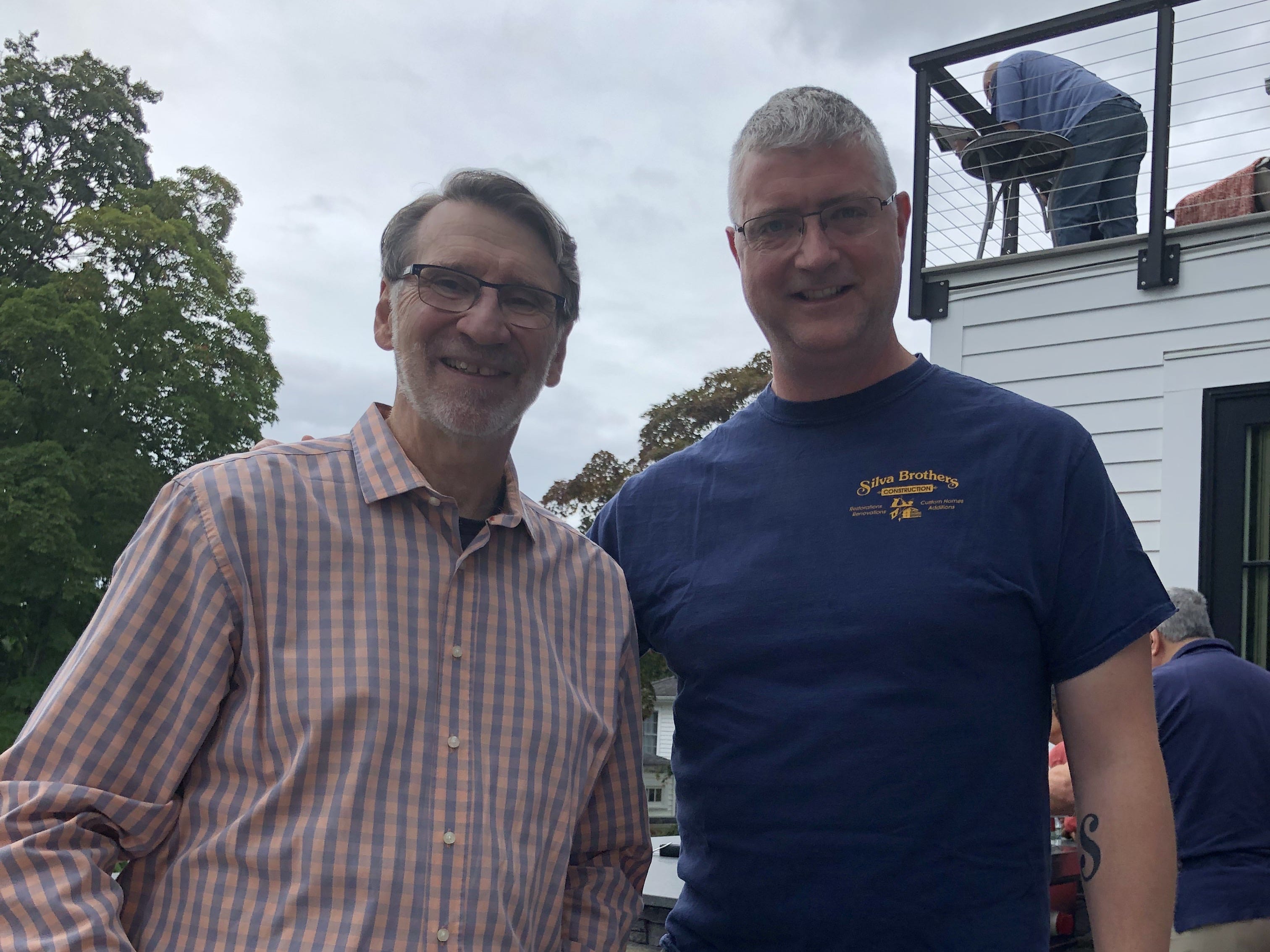
Over the years, I’ve even had the chance to meet Tom Silva and Norm Abram, which felt like a strange full-circle moment. These were people I grew up watching. Craftsmen who made patience, precision, and humility look normal. Who showed that learning something hard was part of the point.
So when This Old House featured Making Whole, it stopped me cold.
On the surface, sobriety and fine woodworking don’t seem related. Recovery programs and PBS home improvement shows occupy very different mental categories. But watching that segment, it became clear they’re connected by the same values: showing up consistently, respecting the process, learning from mistakes, and letting mastery take time.
Seeing those two worlds come together felt unexpectedly meaningful. A show I associate with my father, discipline, and craftsmanship intersecting with a recovery program built around those exact principles.
It was a reminder that recovery doesn’t always announce itself with clinical language or formal structures. Sometimes it shows up quietly, through work that asks something of you and gives something back in return.
Why This Belongs on the Recovery Menu
The Recovery Menu chapter in The View from a Windowless Basement exists for one reason: to challenge the idea that there is only one legitimate way to recover.
Making Whole doesn’t replace therapy. It doesn’t replace community. It doesn’t dismiss traditional programs. It simply offers a different doorway.
For some people, structure looks like meetings. For others, it looks like a workbench.
For some, recovery begins with talking. For others, it begins with doing.
Programs like Making Whole remind us that sobriety isn’t just about removing alcohol. It’s about rebuilding a life with enough meaning, discipline, and direction that alcohol no longer feels necessary.
Not everyone needs the same tools. But everyone needs something real to build toward.
That’s what makes this program worth paying attention to. Not because it’s universal, but because it’s specific. Grounded. Honest about the work involved.
And for anyone who has ever found clarity through making something with their hands, it might feel surprisingly familiar.
If None for Me resonates with you, hit the ♡ and subscribe—it helps others find this space and keeps the conversation going. Thank you!